
Best Day Porter Cleaning Services for Offices & Commercial Spaces
- Kevin Sibille
- Jan 14
- 5 min read

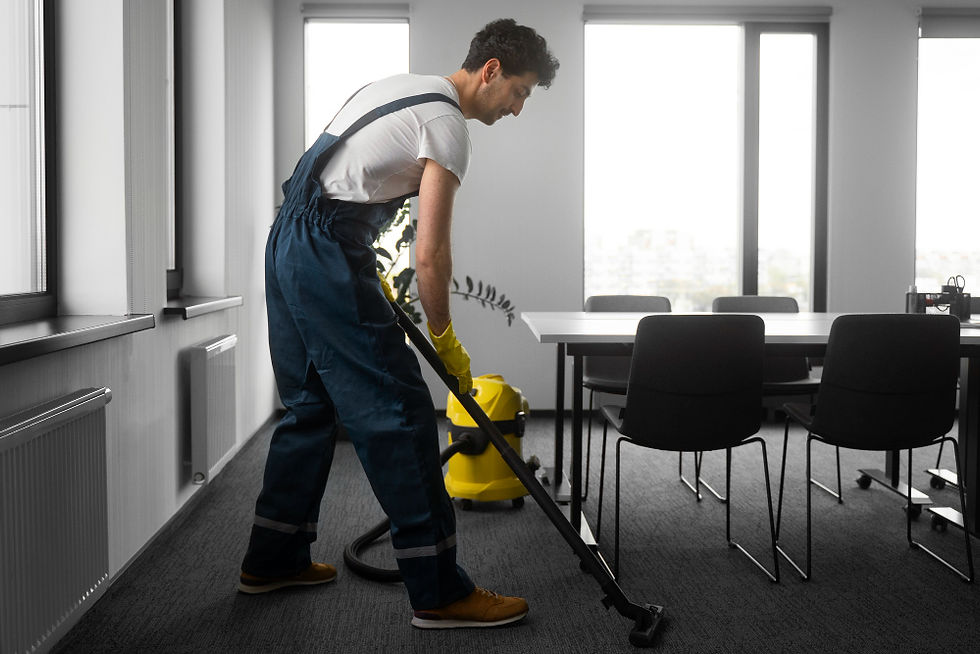
In today’s fast-paced business environment, day porter cleaning services play a critical role in maintaining clean, safe, and professional offices and commercial spaces throughout the workday. Unlike traditional after-hours janitorial services, day porter cleaning focuses on real-time upkeep, addressing messes, hygiene concerns, and high-traffic issues as they happen. For offices, corporate buildings, and commercial facilities, effective day porter services are no longer a luxury; they are a necessity for health, productivity, and brand image.
This article explores the best day porter cleaning services for offices and commercial spaces, offering actionable insights for facility managers, property owners, and businesses looking to elevate their cleaning standards and create consistently well-maintained environments.
Why Day Porter Cleaning Is No Longer Optional
Most offices start the day clean, but by mid-morning, trash bins fill up, restrooms need attention, and high-traffic areas begin to show wear. Relying solely on overnight cleaning leaves a significant gap during business hours when employees, clients, and visitors are actively using the space.
Day porter cleaning bridges this gap. By maintaining cleanliness throughout the day, day porters prevent minor issues from becoming major problems. This proactive approach supports health, safety, and professionalism, especially in busy office buildings and commercial spaces where first impressions matter.
What Is Day Porter Cleaning? (A Quick Overview)
Day Porter vs. Night Cleaning — What’s the Difference?
Day porter cleaning refers to on-site cleaning services performed during regular business hours. While night cleaning focuses on deep, comprehensive tasks after offices close, day porter services handle continuous maintenance such as restroom checks, trash removal, and spot cleaning.
Rather than replacing overnight janitorial services, day porter cleaning complements them. Together, they create a complete cleaning strategy that keeps facilities consistently presentable.
Industries That Benefit Most from Day Porter Services
Day porter cleaning practices are especially valuable for:
Office buildings and corporate headquarters
Medical and healthcare facilities
Retail stores and shopping centers
Educational institutions
Large commercial complexes
Any space with high daily foot traffic benefits from real-time cleaning support.
Core Responsibilities of a Professional Day Porter
High-Traffic Area Maintenance
One of the most important day porter cleaning practices is continuous maintenance of high-traffic areas. These include:
Lobbies and reception areas
Hallways and corridors
Elevators and stairwells
Entryways and exits
Keeping these areas clean throughout the day ensures safety, reduces wear, and creates a positive impression for visitors and employees alike.
Restroom Monitoring & Sanitation
Restrooms are among the most heavily used and closely scrutinized areas in any facility. Best practices include:
Regular inspections and cleaning
Restocking paper products and soap
Touchpoint disinfection
Odor control
Well-maintained restrooms signal professionalism and care, while poorly maintained ones quickly damage a building’s reputation.
Best Day Porter Cleaning Practices for Offices
Continuous Cleaning Throughout the Workday
Effective day porter cleaning practices emphasize consistency. Instead of waiting for messes to pile up, day porters address issues as they arise. This includes:
Spot cleaning desks and common areas
Emptying trash and replacing liners
Responding quickly to spills and accidents
This proactive approach keeps offices clean without disrupting employees’ workflows.
Proactive Maintenance vs. Reactive Cleaning
Reactive cleaning addresses problems only after complaints occur. Proactive maintenance, on the other hand, anticipates needs before they become visible issues. For offices, this means preventing clutter, managing waste efficiently, and maintaining shared spaces before they negatively impact productivity or morale.
Best Day Porter Cleaning Practices for Commercial Spaces
Maintaining a Professional Appearance for Visitors
Commercial spaces such as office buildings, retail centers, and mixed-use properties rely heavily on appearance. Best day porter cleaning practices focus on:
Clean, polished floors
Smudge-free glass and doors
Organized common areas
Since visitors form impressions quickly, consistent cleanliness supports tenant satisfaction and brand credibility.
Supporting Safety & Compliance
Day porters also contribute to safety and compliance by:
Removing slip hazards promptly
Monitoring entrances during inclement weather
Ensuring ADA-accessible areas remain clean and unobstructed
These practices reduce liability risks while promoting a safer environment for everyone.
Health & Hygiene Best Practices for Day Porter Cleaning
High-Touch Surface Disinfection
High-touch surfaces are prime locations for germs to spread. Best practices include frequent disinfection of:
Door handles and push plates
Elevator buttons
Handrails and light switches
Shared furniture and equipment
This is especially important in offices where shared spaces are unavoidable.
Seasonal Illness & Germ Control
During flu season or periods of heightened health concerns, day porter cleaning practices should adapt. Increasing sanitation frequency, focusing on communal areas, and using approved disinfectants help reduce the spread of illness and support employee well-being.
Day Porter Cleaning Checklists & Quality Control
Daily Day Porter Cleaning Checklist
Successful day porter programs rely on clear, structured checklists. A strong checklist may include:
Hourly restroom checks
Midday trash removal
Continuous lobby and hallway maintenance
End-of-day walkthroughs
Checklists ensure accountability and consistency across shifts.
Monitoring Performance & Ensuring Consistency
Quality control is essential. Best practices include:
Supervisor inspections
Documentation of completed tasks
Regular client feedback
These measures help maintain high standards and allow quick adjustments when needed.
Training, Equipment & Professional Standards
Proper Training for Day Porter Staff
Day porters are often customer-facing, making professionalism just as important as cleaning skills. Training should cover:
Workplace etiquette and discretion
Safety procedures
Effective communication
Time management
Well-trained day porters blend seamlessly into office environments while maintaining high cleaning standards.
Tools & Supplies for Effective Day Porter Cleaning
Using the right tools enhances efficiency and results. Best practices involve:
Microfiber cloths for superior dust and germ capture
Portable cleaning carts for mobility
Eco-friendly products to protect indoor air quality
Professional equipment allows day porters to clean effectively without disrupting daily operations.
Customizing Day Porter Services for Your Facility
Tailoring Services by Building Size & Traffic
Not all buildings require the same level of service. Best day porter cleaning practices adapt based on:
Facility size and layout
Number of occupants
Peak usage times
A small office may need part-time coverage, while large commercial properties benefit from full-time day porters.
Flexible Scheduling & Coverage
Flexibility is a key advantage of professional day porter services. Coverage can be adjusted for:
Special events
Seasonal demand
Unexpected surges in traffic
This adaptability ensures facilities remain clean under changing conditions.
Common Mistakes to Avoid in Day Porter Cleaning
Treating Day Porters as Basic Janitorial Staff
A common mistake is underestimating the role of a day porter. Without clear responsibilities and proper training, day porters may become reactive rather than proactive. Best practices define expectations clearly and emphasize ongoing maintenance.
Ignoring Communication & Accountability
Lack of communication leads to inconsistent results. Effective day porter cleaning practices include clear reporting systems, regular check-ins, and defined accountability to ensure tasks are completed as expected.
Conclusion: Are Your Day Porter Cleaning Practices Meeting Modern Standards?
Implementing the best day porter cleaning practices transforms offices and commercial spaces into cleaner, safer, and more welcoming environments. From real-time maintenance and improved hygiene to better first impressions and reduced complaints, day porter services provide measurable value throughout the workday.
In today’s competitive business landscape, cleanliness is not just about aesthetics; it’s about health, productivity, and reputation. By investing in professional day porter cleaning practices, organizations demonstrate a commitment to excellence and proactive facility management.
So ask yourself: Is your space only cleaned after problems appear, or is it proactively maintained all day long? If your goal is consistent cleanliness and a better experience for employees and visitors, it may be time to evaluate or upgrade your day porter cleaning strategy.


Comments